
Emergency placement and protection
Boys referred by outreach workers, the police, social welfare, parishes or community members can be received quickly. The first priority is immediate safety, a health check and a calm place to sleep.
What we do
Our work follows one path, in stages: rescue a boy from immediate danger, restore his health, confidence and schooling, and prepare him and his family for reunification wherever that is safe. Each programme below is part of that same journey.
When a boy arrives, we do not begin by asking him to tell us everything that has happened. We begin with ordinary things: a meal, a bath, clean clothes, a safe place to sleep and a predictable daily routine. As he begins to feel safe and accepted, trust develops and we can gradually understand what he needs and how best to help him.
Leaving the street is not always a simple decision. This short film explores what can keep children there and why patient outreach, trust and understanding matter.
Boys referred by outreach workers, the police, social welfare, parishes or community members can be received quickly. The first priority is immediate safety, a health check and a calm place to sleep.
Three meals a day, clean water, bedding, clothing, hygiene and access to medical care. Regular routine matters as much as the food itself: it is often the first stability a boy has known in months.
Assessment of each boy's level, catch-up classes for those out of school for years, then placement into primary or secondary school, plus literacy and practical skills training.
Finding a boy’s family is only the beginning. Meeting his relatives helps us understand where he comes from, what happened before he came to us, and what relationships and difficulties exist at home. This gives us a much clearer picture of whether returning home is possible, what needs to change, and how both the boy and his family can be prepared for his return.
Individual and group counselling, structured play, sport, art and spiritual accompaniment. Boys who have used substances or survived violence are supported towards recovery at their own pace.
Where an assessment shows it is safe, we mediate between the boy and his family, prepare the household, and accompany him home. Reunification is planned, never rushed.
Contact with the family is rebuilt through repeated visits, initially supervised, and later a short holiday at home that the boy, his relatives and our team evaluate together before a final decision. There may be an occasional phone call afterwards, and in a small number of exceptional cases we continue educational support, but once a reunification succeeds the family carries on independently.
For selected older boys, continued support in boarding school, secondary school or college gives them the chance to finish their studies and stand on their own.
Rescue is the first step. The goal is a safe and lasting return to family whenever possible.
Watch the story
Not every boy can safely return to his family. In those cases, a young person may remain with us until he is ready to begin an independent adult life. Depending on his situation, we may help him continue his education, learn a trade, obtain a driving licence or look for work. When the time comes to leave Home of Hope, limited practical support can also help him through the first stage of living independently.
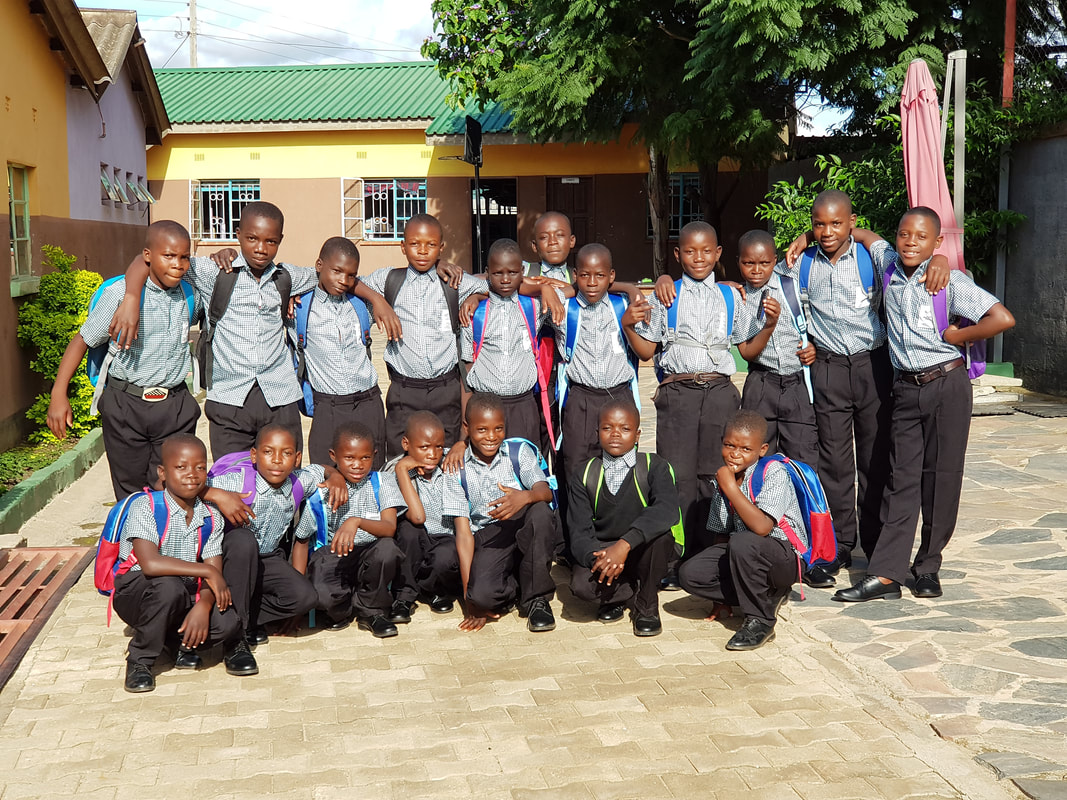
How a placement usually works